Fort McMurray Forest Area - October 09, 2026
Due to recent rainfall and cooler temperatures, the wildfire danger is now low across the Fort McMurray Forest Area. Even with cooler temperatures, dry vegetation can increase the potential for wildfires to start and spread quickly. If you’re heading outdoors, do your part to prevent wildfires.
Thanksgiving long weekend
As Albertans head outdoors this long weekend, Alberta Forestry reminds everyone to enjoy the weekend responsibly and help prevent wildfires.
Campfires are the leading cause of human-caused wildfires, but these fires can be avoided with a few simple steps. Before leaving your campsite, make sure your campfire is fully extinguished by soaking it, stirring it, and soaking it again until everything is cool to the touch.
We wish everyone a safe and enjoyable weekend!
Wildfire situation
There is currently one active wildfire in the Fort McMurray Forest Area.
MWF056 is located approximately 1.4 kilometres east of MacDonald Island Park and is currently 1 hectare in size and under control.
Firefighters, supported by aircraft continue to action the fire. There is no threat to the nearby community at this time.
Since January 1, there have been 56 wildfires in the forest area. To view active wildfires, visit the Alberta Wildfire Status Dashboard or download the Alberta Wildfire Status app.
Recruitment open house
Are you interested in becoming a wildland firefighter with Alberta Wildfire for the upcoming season?
Alberta Wildfire will be hosting a wildland firefighter recruitment open house on October 21 at the Fort McMurray Provincial Building, 9915 Franklin Ave, from 11:30 am to 3:00 pm
Wildfire staff will be in attendance to answer questions and provide information about the opportunities available. Guests will also have the opportunity to see and test some of the equipment they may work with on the fireline.
An additional recruitment open house will take place on December 8 for seasonal support positions being offered for the 2027 wildfire season.
Off-highway vehicles (OHVs)
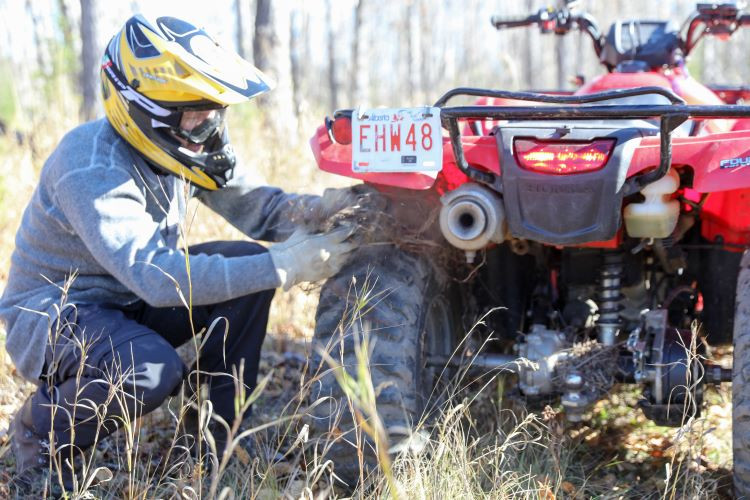
Help prevent wildfires by using OHVs and any other vehicles safely in dry conditions:
- Stop frequently to remove grass, mud and other debris from hot spots on your vehicle.
- Carry firefighting tools, including a shovel, pail and fire extinguisher.
- Never park in tall grass. Heat from a vehicle’s exhaust system can ignite dry vegetation. Park on bare ground or gravel whenever possible.
For more information, see off-highway vehicle safety.
Published on October 9, 2026 11:16 am
Wildfire season runs March 1 – October 31.
Find active fire advisories, restrictions, bans, forest closures, off-highway vehicle restrictions and what activities are allowed.
How to choose your campfire site, prepare your campfire and properly extinguish it when you are done.
Contact info
Carley Johnson
780-799-9253
[email protected]