Overview
The Science Advisory Panel provides independent advice to the Minister and Chief Scientist on Alberta’s Environmental Science Program. This includes providing recommendations on the program's:
- priorities and methodologies
- scientific quality
- relevance and integrity
Panel members
-
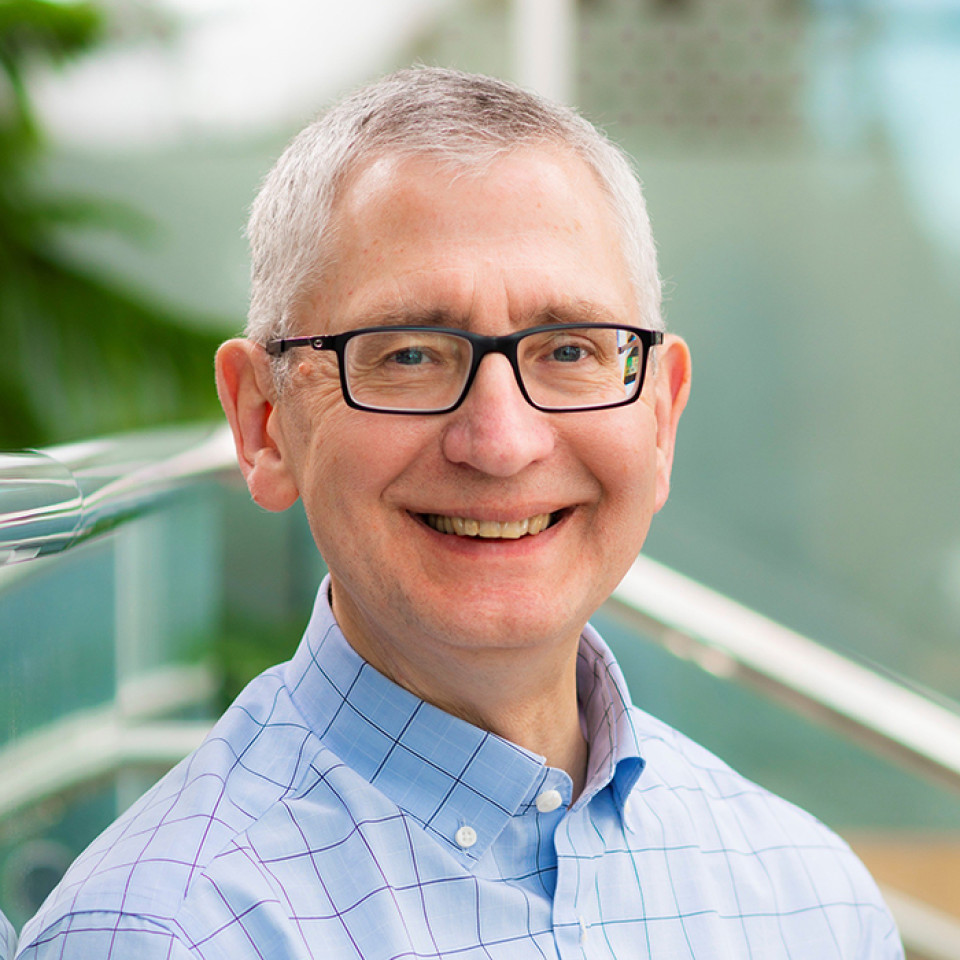
Dr. Vic Adamowicz, Ph.D.
Dr. Adamowicz is a Distinguished University Professor Emeritus in the Department of Resource Economics and Environmental Sociology and Special Advisor on Faculty Relations to the Office of the Provost and Vice-President (Academic) at the University of Alberta.
His research has focused on the economic valuation of environmental amenities and ecosystem services and incorporation of environmental values into economic analysis – with applications to outdoor recreation, health, water quality, air quality, endangered species, forests and agriculture. His research also involves analysis of economic choice behaviour with applications to food demand, recreation and environmental quality. He has published over 200 papers in refereed journals.
Dr. Adamowicz is a Fellow of the Royal Society of Canada, Academy II – Social Sciences (awarded in 2007). He became a Fellow of the Association of Agricultural and Applied Economics in 2025, a Fellow of the Canadian Environmental and Resource Economics Association in 2024, a Fellow of the Association of Environmental and Resource Economists in 2019 and a Fellow of the Canadian Agricultural Economics Society in 2011.
-
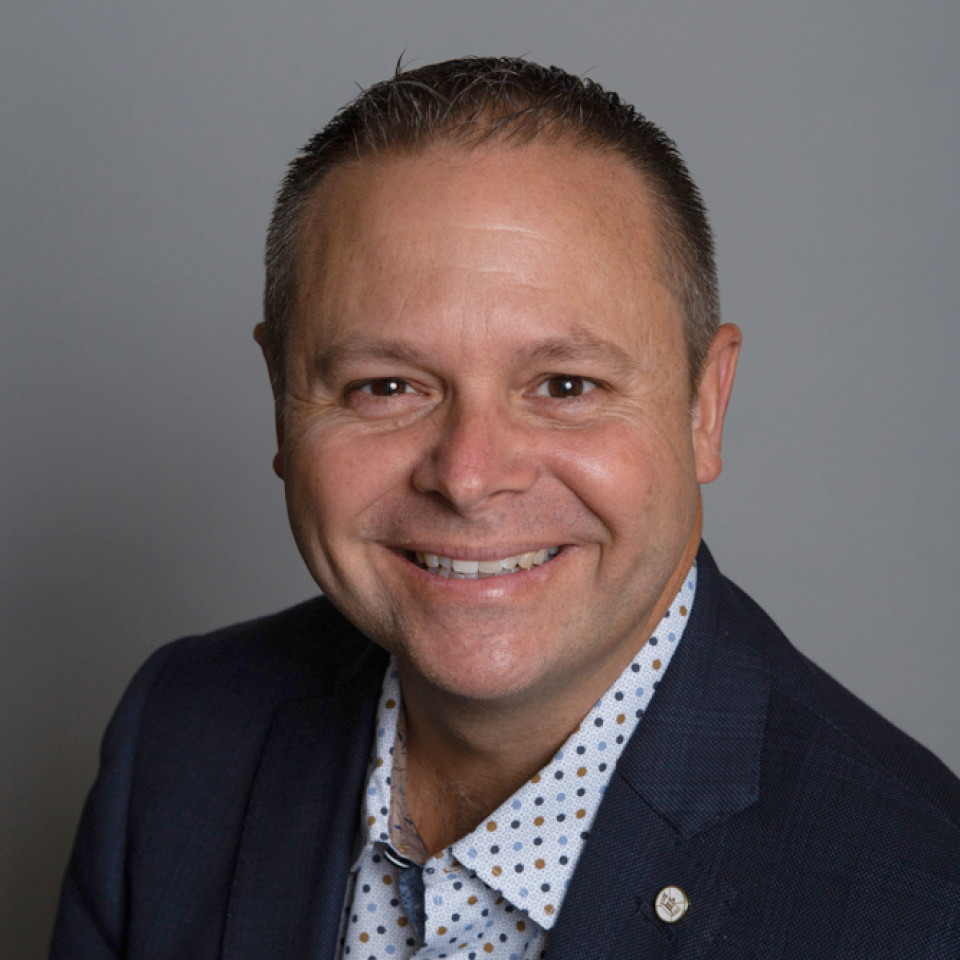
Dr. Steven Cooke, Ph.D.
Dr. Steven Cooke is a Canada Research Professor of Environmental Science and Biology at Carleton University in Ottawa and Director of the Canadian Centre for Evidence Based Conservation. He holds a B.ES. and M.Sc. from the University of Waterloo and a Ph.D. from the University of Illinois at Urbana.
Dr. Cooke’s research focuses on recreational fisheries science, fish biology, aquatic ecology, restoration ecology, and evidence-based conservation and management of natural resources.
Dr. Cooke has been the recipient of several awards, including the Robin Welcome Fellow in Inland Fisheries at Michigan State University, T.D. Water Bean Visiting Professor in the Environment at the University of Waterloo, Fellow of the American Fisheries Society and Fellow of the Royal Canadian Geographical Society. Dr. Cooke was also recently appointed as a Commissioner of the Great Lakes Fisheries Commission.
-
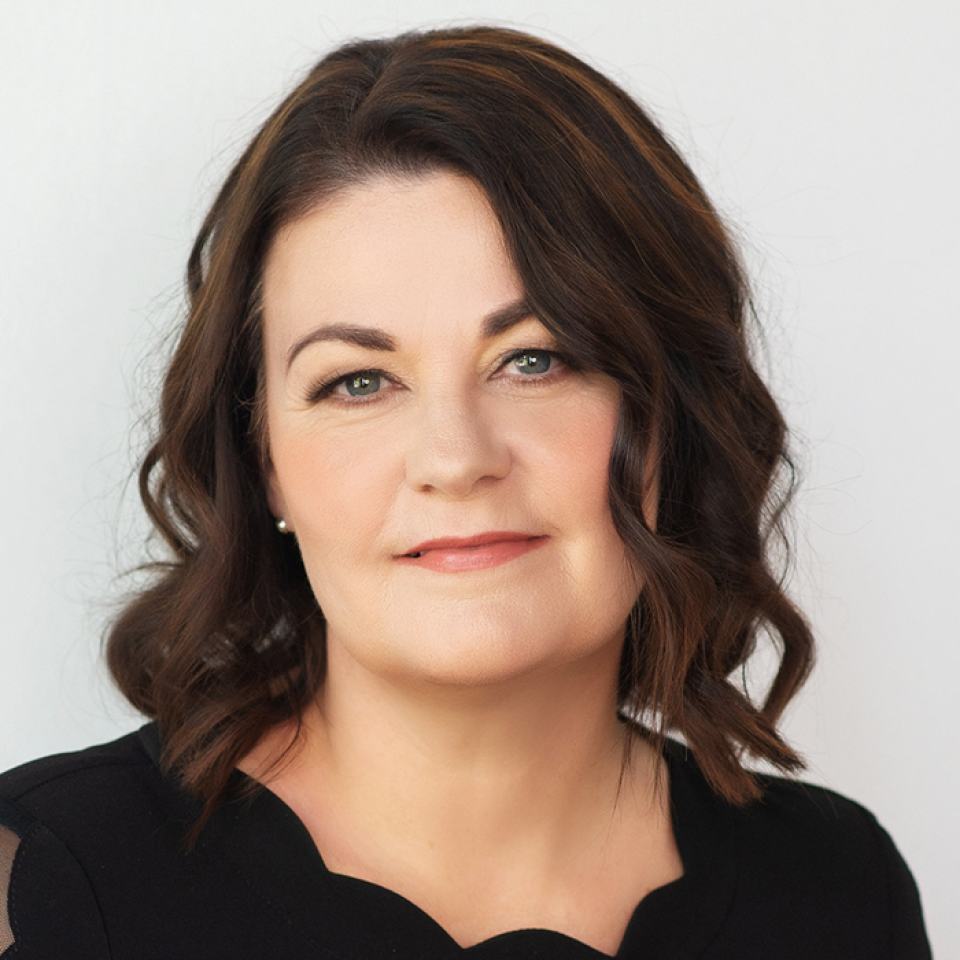
Dr. Irena Creed, Ph.D.
Dr. Irena Creed is a Professor in the Department of Physical and Environmental Sciences at the University of Toronto. She holds a B.Sc. in Zoology, M.Sc. in Botany and Environmental Studies and a Ph.D. in Geography all from the University of Toronto.
Dr. Creed’s research focuses on understanding the impacts that climate change and the intensification of human activities have on landscape hydrology, biogeochemistry, ecology and ecosystem services.
Dr. Creed has been the recipient of several awards, including the Royal Society of Canada’s Bancroft Award for outstanding contributions in earth sciences; Fellow of the Royal Society of Canada; Fellow of the American Geophysical Union; the Wallenberg Professorship (2021-2024), a distinguished international guest professorship award from the Royal Swedish Academy of Agriculture and Forestry; and the Frank Rigler Award.
-
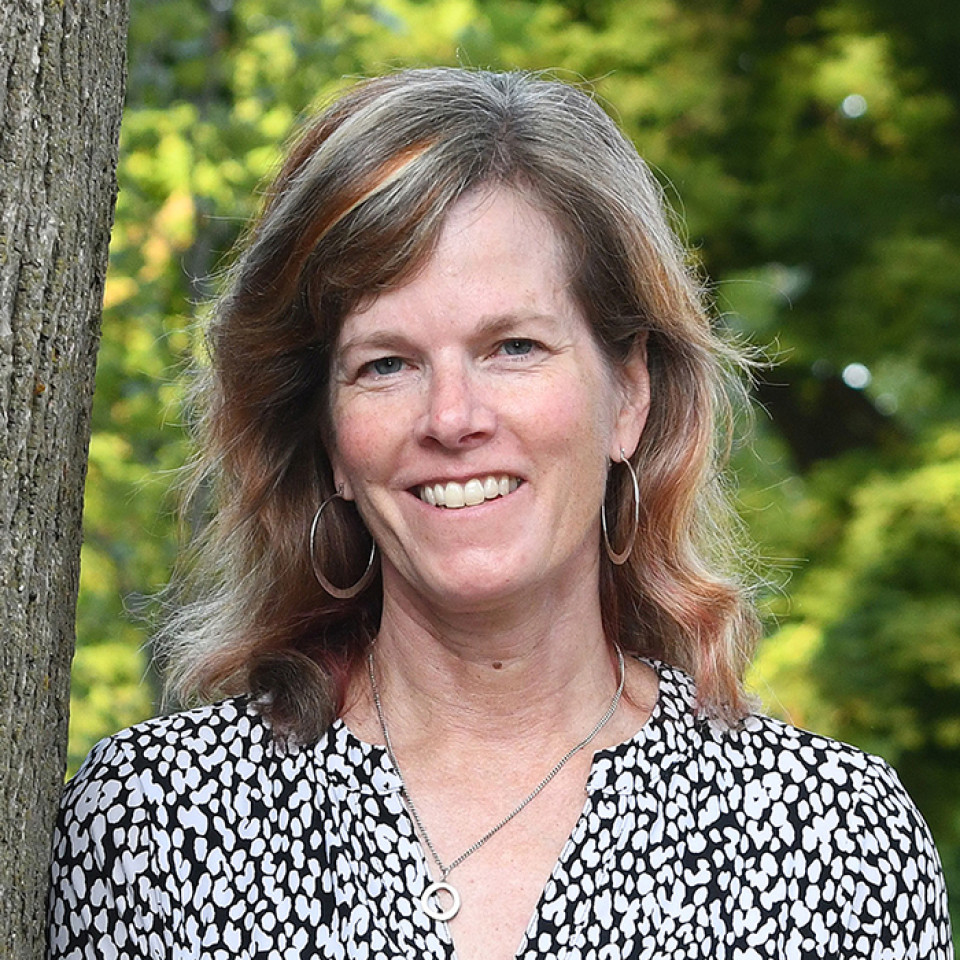
Dr. Karen Kidd, Ph.D.
Dr. Karen Kidd is the Jarislowsky Chair in Environment and Health and a Professor at McMaster University. She holds a Ph.D. in Environmental Biology and Ecology from the University of Alberta.
Dr. Kidd’s research focuses on the fate and effects of contaminants in fresh waters from the tropics to the Arctic. She has served on several national and international scientific boards including the International Joint Commission, the United Nations Environmental Programme and the United States Environmental Protection Agency
Her expertise has been recognized with a Canada Research Chair and she is the recipient of several national and international awards including Fellow of the Society of Environmental Toxicology and Chemistry, the Recipharm International Environmental Award and the Society of Canadian Limnologists’ Rigler Award.
-
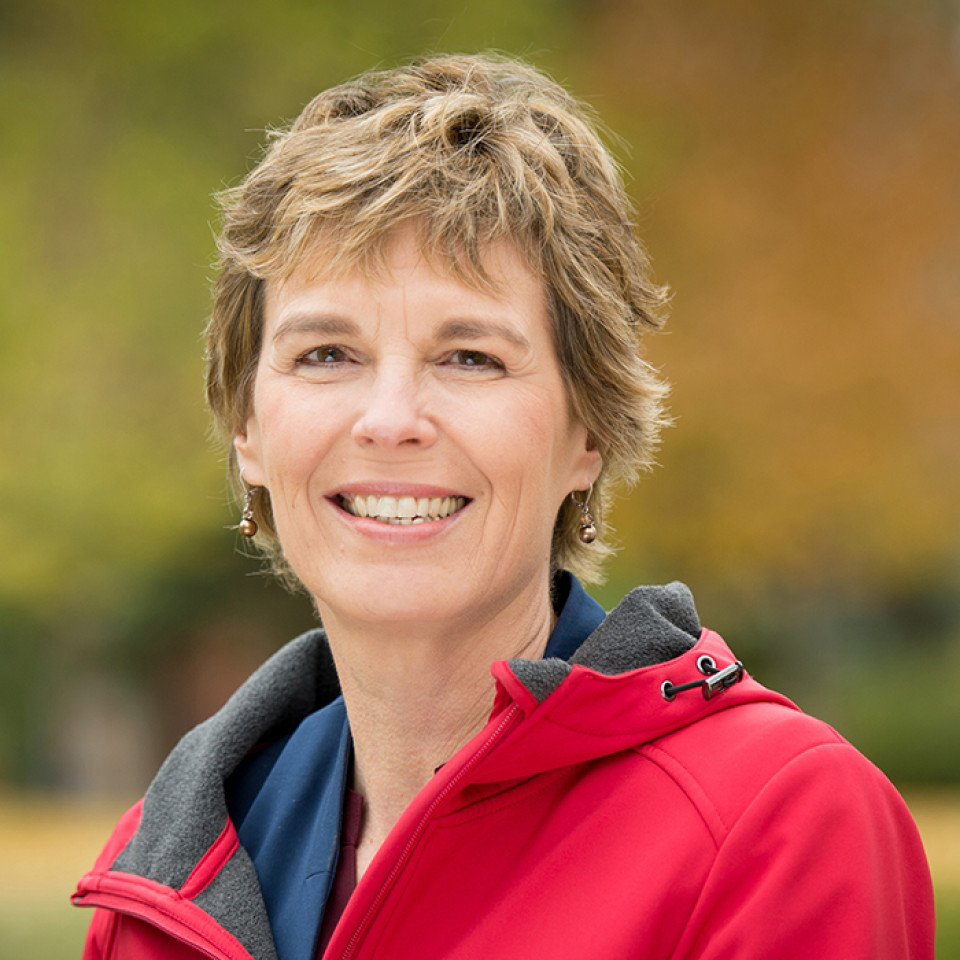
Dr. Ellen Macdonald, Ph.D.
Dr. Ellen Macdonald is a Professor Emeritus of Forest Ecology in the Department of Renewable Resources at the University of Alberta. She holds a B.Sc. in Environmental Biology and a Ph.D. in Plant Ecology, both from the University of Calgary.
Dr. Macdonald’s research interests include the influence of natural and human-caused disturbances on the ecology, plant biodiversity, regeneration processes and successional dynamics of boreal forests. She conducts research that will inform sustainable management, conservation and reclamation of forest ecosystems.
Dr. Macdonald is the recipient of several awards including the University of Alberta University Cup, the International Union of Forest Research Organizations’ Scientific Achievement Award and the Canadian Institute of Forestry Scientific Achievement Award.
-
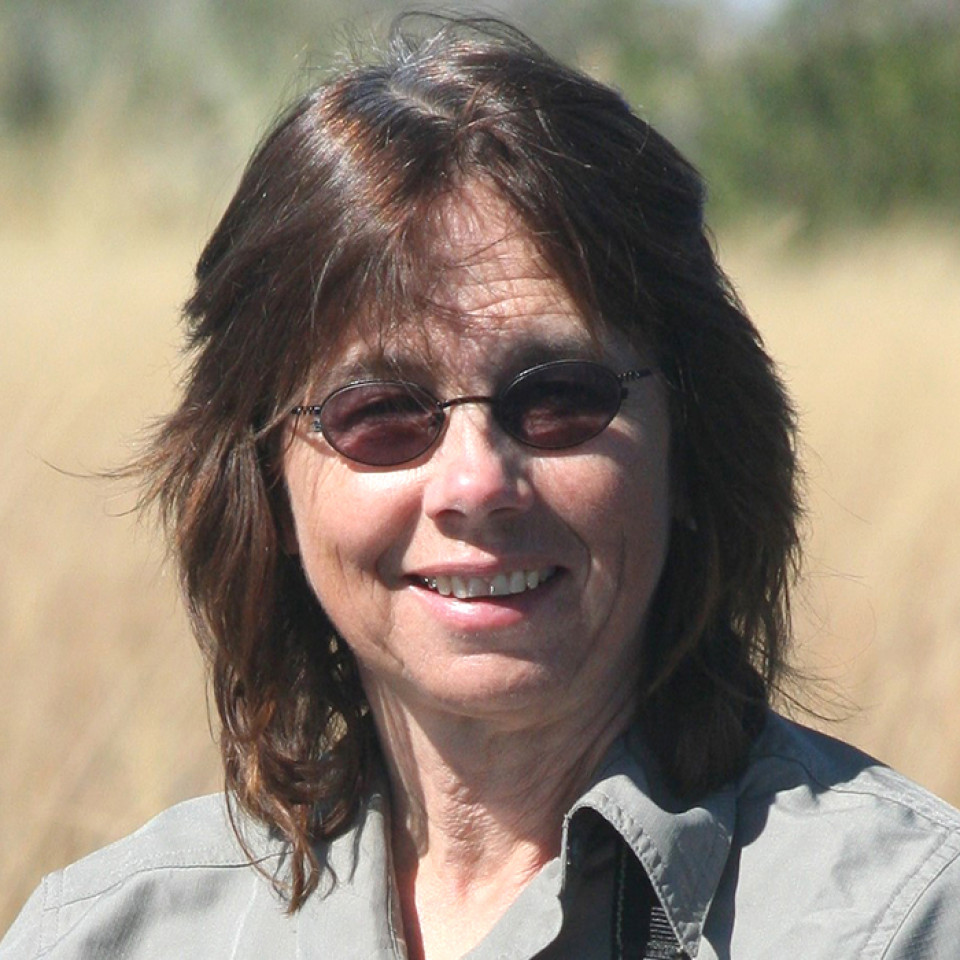
Dr. Evelyn Merrill, Ph.D.
Dr. Evelyn Merrill is a Professor Emeritus in the Department of Biological Sciences at the University of Alberta with a research focus on predator-prey and disease dynamics of large mammals. She has been conducting research on chronic wasting disease since it was first detected in wild deer in Alberta.
Dr. Merrill is a Fellow of The Wildlife Society, has been Editor-in-Chief of the Journal of Wildlife Management, was the Canadian Representative to the Wildlife Society and currently is the President-Elect of The Wildlife Society.
Dr. Merrill has received several awards including the William Rowan Distinguished Professional Award from the Alberta Chapter of The Wildlife Society; a Special Recognition Award from The Wildlife Society and the Wildlife Conservation Award from the Rocky Mountain Elk Foundation.
-
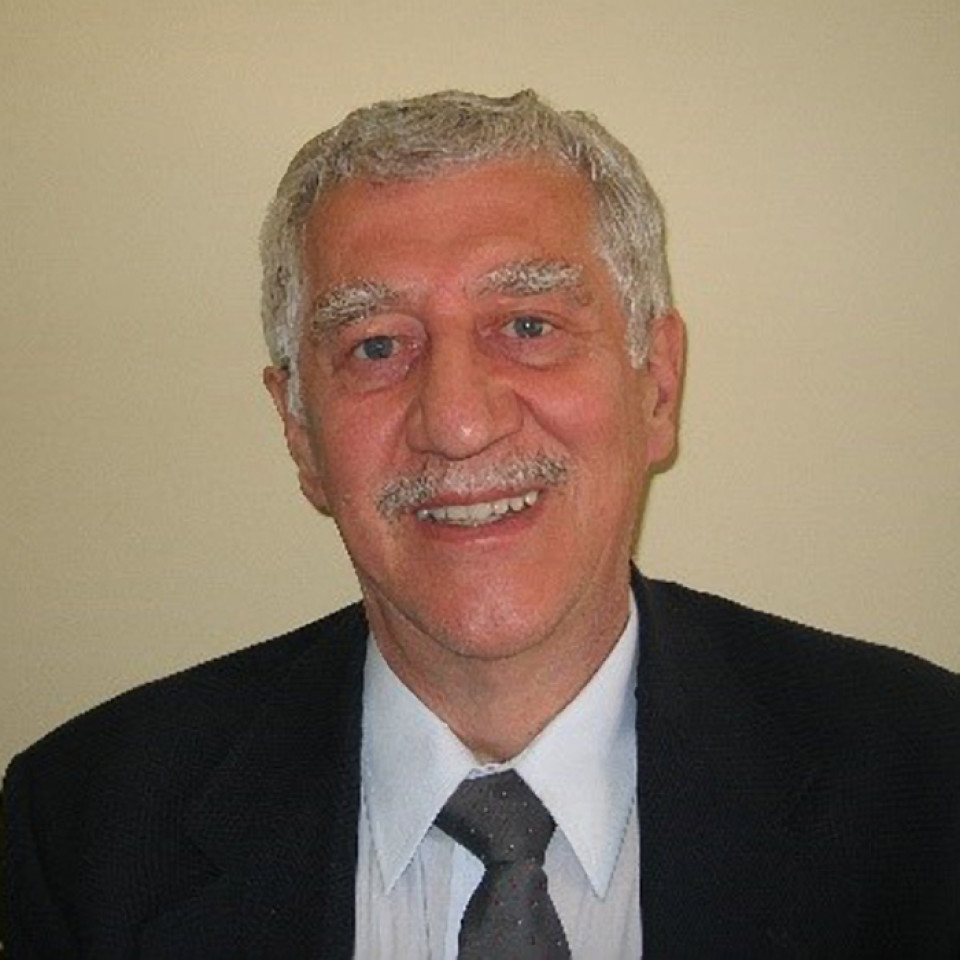
Dr. Russell Schnell, Ph.D.
Dr. Russell Schnell is the recently retired Deputy Director of the Global Monitoring Laboratory of the National Oceanic and Atmospheric Administration (NOAA) in Boulder, Colorado, USA and now a senior scientist at the University of Colorado, Boulder. He holds first class honour’s degrees in Biology from the University of Alberta, and in Chemistry from Memorial University, Newfoundland, as well as a M.Sc. and Ph.D. in Atmospheric Science from the University of Wyoming.
Dr. Schnell’s current research includes monitoring greenhouse gases, ozone-depleting gases, aerosols, solar and infrared radiation at Baseline Observatories. He has authored 126 scientific publications, 9 of them in Nature in 5 different scientific fields. He has conducted research in 92 countries.
Significant contributions made by Dr. Schnell include the discovery of biological ice nuclei, first used in snowmaking, food preservation, and preserving human organs for transplant. While working at the NOAA, Dr. Schnell was a co-recipient of the Nobel Peace Prize in 2007 for his work on the Intergovernmental Panel on Climate Change. He also received an Honorary Doctorate from the University of Alberta in 2015.
Contact
To connect with the Science Advisory Panel, contact the Office of the Chief Scientist at:
Email: [email protected]