Overview
International education is a term for initiatives that promote an understanding of the connections and differences between the world’s people. Alberta’s K to 12 education system helps students:

work with others from different cultural backgrounds

appreciate a broad range of ideas, perspectives and values

build relationships and collaborate with others

develop global competencies and intercultural skills
Benefits
International education programs support students, educators and Alberta’s economy.
International Education Week
International Education Week is celebrated annually in more than 100 countries during the third week of November. This global initiative emphasizes the value of international engagement and demonstrates how global learning equips students with intercultural skills to succeed in an interconnected world. Explore diverse cultures, foster meaningful connections and celebrate the transformative power of international education.
Global Snack Challenge
Kindergarten to Grade 12 students in Alberta and Alberta accredited international schools celebrated global cultures through food by sharing a favourite snack and a personal memory or imagined story, brought to life through artwork. The Global Snack Challenge award recipients have now been selected. Visit the Global Snack Challenge to see the full list of prize winners.
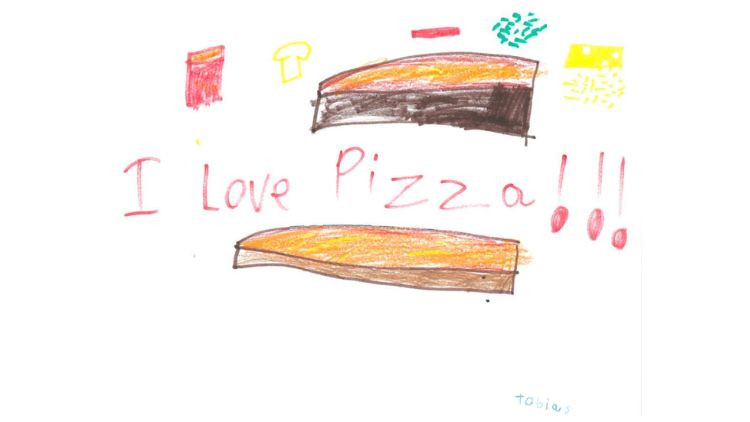
Winner (Grade 1): Tobias Hildebrand, Grade 1 - Medicine Hat Christian School, Medicine Hat, AB
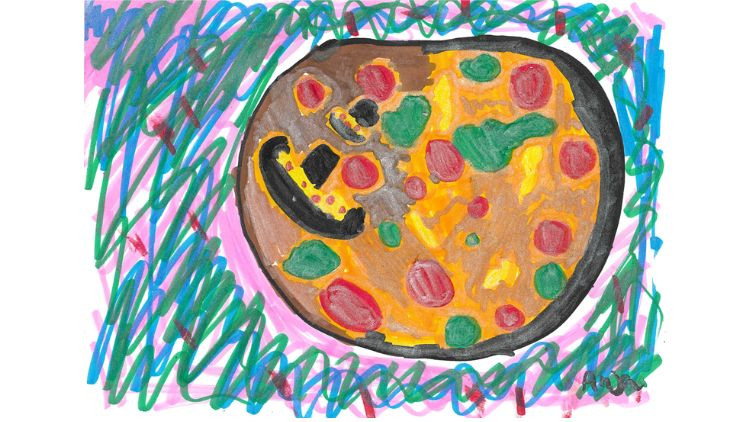
Winner (Grades 2-3):Anja Un, Grade 3 - The International School of Macao, Macao
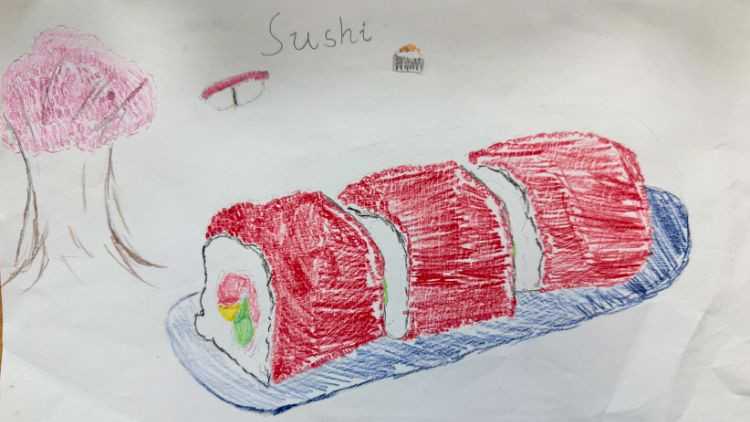
Winner (Grades 4-6): Jojo Rao, Grade 4 – The International School of Macao, Macao
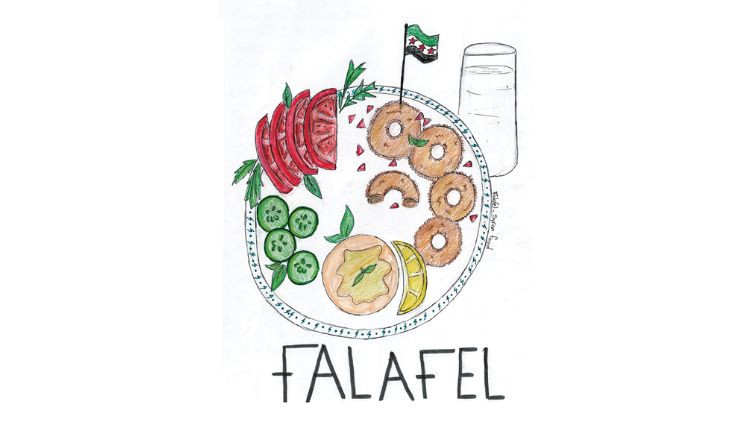
Winner (Grades 7-9): Rafif Mhanna, Grade 8 – D.S. Mackenzie Jr High, Edmonton
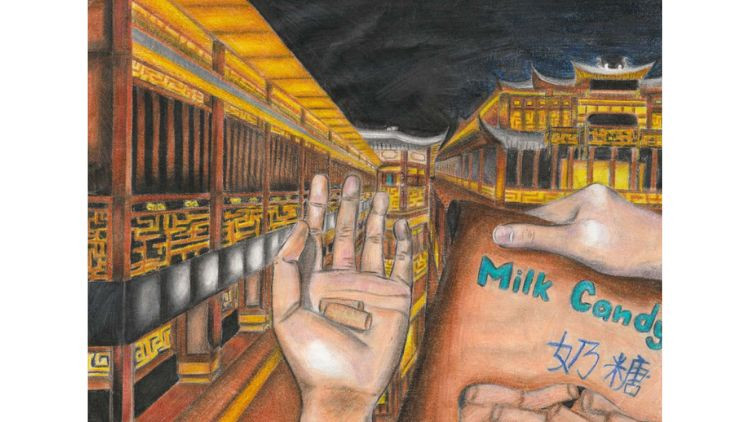
Winner (Grades 10-12): Sophia Zhang, Grade 10 – Old Scona Academic High School, Edmonton
Ways to participate in international education
You can create an international education activity anywhere, and it can take many shapes or forms.
Here are some ideas and resources to help you celebrate and promote opportunities to learn about other cultures and places.
Resources
Activities and program ideas
Join our mailing list
Stay informed about international education programs by joining our mailing list.
Contact
Connect with International Education Services:
Phone: 780-427-2035
Email (General information): [email protected]
Email (Exchange programs): [email protected]