The wildfire danger is now high in the Grande Prairie Forest Area. Warmer temperatures and winds have increased the danger level, and current conditions could lead to fast-moving wildfires.
Please use extra caution when recreating or working outdoors.
Wildfire situation
For the most current information on active wildfires, including their locations and stats, visit our interactive wildfire map or download the Alberta Wildfire Status app.
GBZ001 - Kiskatinaw River wildfire
The Kiskatinaw River wildfire, which started in British Columbia on May 28, remains classified as being held. It is estimated at 26,195 hectares (ha) in size and is located along the Alberta–British Columbia border, approximately 68 km west of Grande Prairie. This wildfire was caused by lightning.
Please be aware that the BC Wildfire Service has an Area Restriction in place that limits access to some areas on the B.C. side of the border.
The BC Wildfire Service is leading the response to this wildfire, with Alberta Wildfire providing support as needed.
For more information on this wildfire and others in B.C., visit the BC Wildfire Service website.
Grande Prairie Forest Area statistics
Since January 1, there have been 103 wildfires in the Grande Prairie Forest Area, burning a total of 5,884 ha.
Prevent wildfires
With 63% of wildfires in Alberta caused by people, prevention is important, especially during the dry season. Do your part to prevent wildfires by following simple safety steps whether you’re farming, camping or riding off-highway vehicles.
Farmers
- Regularly inspect machinery and remove debris, especially around hot spots.
- Keep equipment well-maintained to reduce the risk of sparks.
- Always carry firefighting tools on your equipment: a shovel, fire extinguisher and bucket.
Campers
- Keep campfires small, controlled and never leave them unattended.
- Fully extinguish fires before leaving or going to bed: soak with water, stir the ashes, then soak again.
- Make sure the fire is completely out—if the ashes are cool to the touch, it’s safe.
Off-highway vehicle riders
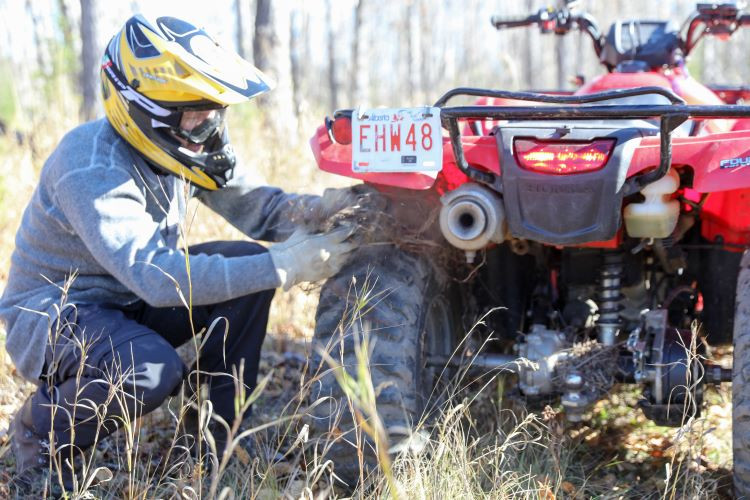
- Stop frequently to clear debris like grass, moss or muskeg from your machine.
- Carry essential firefighting tools: shovel, fire extinguisher, and bucket.
- Avoid riding through dry vegetation where heat or sparks could ignite a fire.
Contact info
Kassey Zatko
780-538-5327
[email protected]
Published on August 25, 2025 3:35 pm