Overview
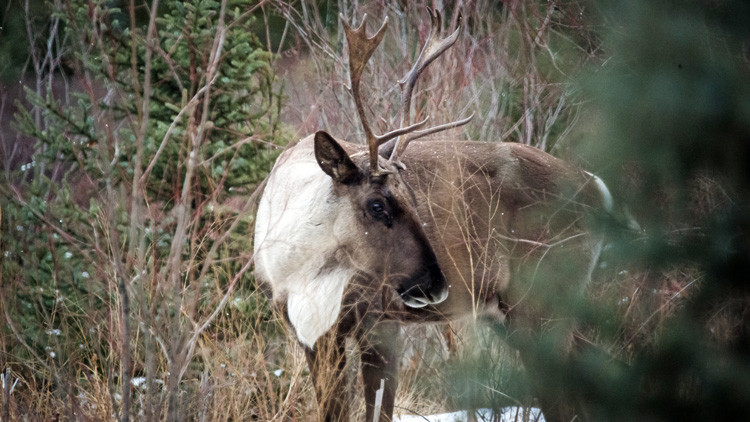
Woodland caribou, once abundant in Alberta’s boreal and foothills forests, have faced decades of decline due to habitat loss and fragmentation. Today, Alberta is leading a science-based, collaborative effort to restore caribou populations across 15 designated ranges.
Hope in the forest
Alberta is taking steps to conserve and recover caribou populations through habitat restoration, integrated land-use planning, predator management, and strong partnerships with Indigenous communities:
- over 4,500 km of habitat restored
- millions of dollars invested
- hundreds of jobs created
These milestones mark measurable progress toward restoring caribou habitat.
Investing in recovery
Recovery takes resources – and Alberta is investing heavily to restore caribou habitat, while creating hundreds of jobs and forging community partnerships in the process:
- $55.8 million over 6 years to plant 5 million trees (in partnership with Natural Resources Canada)
- $40 million allocated in Budget 2025
- $70+ million invested in habitat restoration
- $17.5 million since 2019 for monitoring and population management
Tracking the populations
Every step of Alberta’s caribou recovery is grounded by data:
- More than 400 GPS-collared caribou and annual population surveys provide insights into population trends and habitat use.
- Defining and spatially identifying caribou habitat.
- Mapping to track habitat restoration and land-use changes.
Annual reports and monitoring updates ensure transparency and accountability.
Restoring the land
Habitat recovery is delivering results. Restoration techniques like tree planting, soil mounding, and access control are helping to heal the landscape and create connected habitats for caribou and other species.
- 4,500+ km of seismic lines restored
- 3.2+ million trees planted
Legacy seismic line restoration contributes to caribou habitat recovery and supports thousands of jobs across Alberta’s industries.
Planning for the future
Recovery is not just about today – it is about building a sustainable future. Alberta’s integrated land-use planning balances habitat protection with economic activity.
- Sub-regional plans are in place for:
- Public engagement completed for Upper Smoky Sub-regional Plan
- Commitment to developing sub-regional plans for all 15 caribou ranges
These plans balance habitat protection with economic activity, ensuring sustainable outcomes, with a focus on species at risk.
- Download the current Alberta Caribou Ranges map
Working together: Indigenous partnerships
Indigenous communities and organizations are central to Alberta’s caribou recovery story. Their knowledge, leadership, and stewardship are shaping the path forward.
- In February 2025, a memorandum of understanding signed with the Aseniwuche Winewak Nation to collaborate on caribou recovery in the Upper Smoky region.
- In May 2024, funding was provided to support habitat restoration projects led by Fort McKay First Nation, Athabasca Landing Métis Community Association and Chipewyan Prairie First Nation in northern Alberta.
- Protected areas, such as Gipsy Gordon Wildland Provincial Park and Kitaskino Nuwenëné Wildland Provincial Park, have been expanded to protect Caribou while continuing to support traditional Indigenous activities, like hunting, fishing and trapping.
- In fall 2024, several workshops across northern Alberta gathered input and perspectives from Indigenous communities and organizations on the Provincial Restoration and Establishment Framework for Legacy Seismic Lines in Alberta.
Contact
Connect with Alberta Environment and Protected Areas, Lands Planning Branch:
Email: [email protected] or [email protected]