Overview

The Alberta Recovery Model, a comprehensive system of mental health and addiction care, is helping people get their lives back and is making our province a better place to call home. With the right care and support, recovery is possible. Help is available every step of the way.

Defining recovery

  • Recovery in mental health is a process of achieving and maintaining remission from a mental health problem or illness and living a satisfying, hopeful and contributing life, even when symptoms are present.
  • Recovery in addiction is a process of sustained action toward physical, social and spiritual healing and wellness while consistently pursuing a substance-free life.

How we got here

In 2019, Alberta’s government embarked on a transformative mission to change the way the province approached mental health and addiction care.

In the Toward an Alberta Model of Wellness report, the Alberta Mental Health and Addictions Advisory Council recognized the need for whole-system improvement. The council recommended a shift to a person-centred, strength-based approach focused on mental health and addiction recovery. The vision was for Albertans to be effectively supported in their pursuit of recovery through integrated, easily accessible and community-based recovery-oriented systems of care.

A monumental shift

From...

A focus on acute intervention meant to manage symptoms, where barriers, such as lack of access and cost, kept people from seeking help.

To...

A comprehensive continuum of care for prevention, treatment, intervention and recovery, where barriers to evidence-based treatment are being removed and more people pursue recovery.

Five key focus areas

  • Increasing access to treatment

    • Added more than 10,000 publicly funded mental health and addiction treatment spaces across the province – a 55% increase in capacity within the system. Now, more than 29,000 Albertans can access treatment annually.
    • Introduced therapeutic living units and transitional services that provide specialized addiction treatment to adults within provincial correctional and remand centres to address their addiction challenges and prepare for lasting recovery after incarceration.
    • Expanded drug treatment courts, which help break the cycle of addiction-motivated crime by giving non-violent offenders access to judicially supervised treatment and recovery.
  • Removing barriers to care

    • Eliminated daily user fees for publicly funded addiction treatment spaces. Previously, there was a $40 per day user fee for publicly funded live-in treatment, meaning a 90-day live-in treatment program cost $3,600.
    • Fully covered the cost of the injectable opioid treatment drug Sublocade. The treatment lasts in a person’s system for 30 days, providing stabilization, reduced craving and significantly enhanced protection against overdose, first in Canada.
    • Implemented the Opioid Agonist Treatment (OAT) Gap Coverage Program, which provides immediate, no-cost coverage for OAT medications for 120 days, while Albertans enroll in a supplementary health benefit plan.
    • Developed the Digital Overdose Response System (DORS), a mobile app that helps prevent fatal drug overdose among people using substances alone. Approximately 60% of opioid-related deaths in Alberta take place in private residences, often among those who are using while alone.
    • Supported police to help Albertans experiencing mental health and addiction challenges. This includes implementing the digital HealthIM tool and developing special partnerships and teams trained to provide support and connect individuals to recovery-oriented services.
  • Building new facilities

    • Committed up to $350 million to build 11 recovery communities that offer holistic live-in addiction treatment. The first of their kind in Alberta, the goal of recovery communities is to not only address a person’s substance use but also promote whole person healing and overall lifestyle changes needed to regain physical and mental health and wellness.
      • Recovery Communities in Lethbridge, Red Deer, Gunn and Calgary are operating, with the remaining 7 facilities expected to be operational in 2026 and 2027.
      • Five of these recovery communities are being built in partnership with Indigenous communities. Treatment at Indigenous recovery communities will incorporate Indigenous ways of healing, knowing and doing.
    • Once operational, Alberta’s 11 recovery communities will add more than 700 long-term addiction treatment beds, providing more than 2,000 people a year with the opportunity to pursue recovery.
    • Invested $180 million to build 2 Compassionate Intervention Centres in Edmonton and Calgary. Each centre will have capacity for 150 beds to provide a full spectrum of mental health and addiction supports including medical detox, stabilization, counselling and therapy services.
    • Committed to establishing the Northern Alberta Youth Recovery Centre, which will create a 105-bed long-term addiction treatment centre, giving up to 300 youth a year an opportunity to pursue recovery.
  • Making treatment immediately available

    • Expanded affordable counselling options, including virtual and in-person sessions, through a partnership with Counselling Alberta. There’s no wait list, and Albertans pay what they can afford.
    • Increased funding for 211 Alberta to enhance navigation services for rural and underserved communities.
    • Expanded the Virtual Opioid Dependency Program (VODP) that offers immediate access to life-changing opioid agonist treatment medication from anywhere in Alberta.
    • Provided Albertans experiencing non-opioid substance and behavioural addiction concerns with rapid, low-barrier access to treatment through the Virtual Rapid Access Addiction Medicine program.
    • Introduced VODP to arrest processing units, meaning Albertans who are taken into police custody and who have an opioid addiction can choose to get immediate recovery- oriented help, first in Canada.
  • Building better futures for our youth

    • Offered support for school-based mental health programs for youth, including:
      • CASA Mental Health Classroom Program supports students in grades 4 to 12 who face complex mental health challenges. Located within schools, these classrooms provide individual therapy, group therapy and psychiatric care to support a student’s recovery while continuing their education.
      • Integrated School Support Program offers critical supports that range from meal programs and structured physical education to after-school care and access to a mental health professional.
    • Expanded prevention and early intervention supports for youth aged 11 to 25 at Kickstand Centres across Alberta, providing a range of free and confidential mental health and addiction services and supports.
    • Established the EHN Sandstone Recovery Centre in Calgary for youth and young adults aged 12 to 24 with complex eating disorders.
    • Expanded VODP to include a team dedicated to supporting youth receiving child intervention services, with a specific focus on those in group care.

Building a recovery-oriented system of care
Logo of Recovery Alberta

Alberta’s lead provider in mental health and addiction services.

Canadian Centre of Recovery Excellence logo.

Ensures Alberta leads in developing data-driven policies and best practices for mental health and addiction recovery.

Scientist works on a computer collecting and organizing data.

Reporting the prescribing patterns, use or misuse, drug overdoses and deaths related to fentanyl and opioids in Alberta.

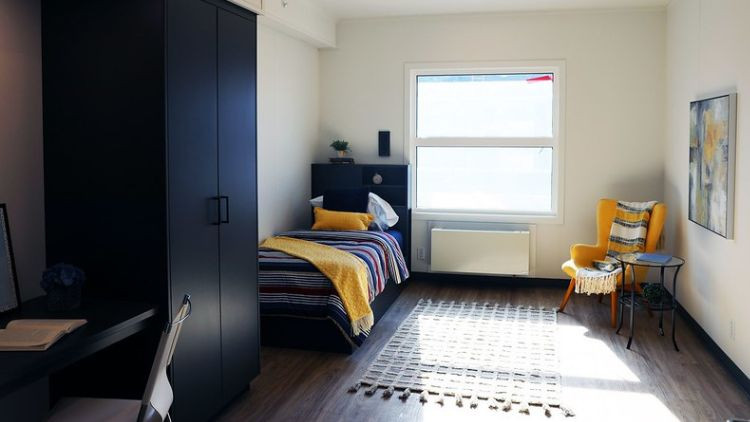
Picture of a room at Red Deer Recovery Commmunity. The bedroom contains a wardrobe, an office desk, a bed and a chair.

Recovery communities

Recovery community programming focuses on holistic addiction recovery, addressing the whole person and overall lifestyle changes needed to regain physical and mental health and wellness.

Learn more about recovery communities

Services and supports

The following services and supports can help if you or someone you know experiences challenges with addiction or mental health recovery.

  • Drawn icon of a person in a updside down drop of water.

    211 Alberta

    211 is an essential service for finding the right resource or service for any issue you may be experiencing.

  • Drawn image of two hands giving each other a handshake.

    Help in tough times

    Helplines available 24/7 for support or access to addiction and substance use or mental health information and services.

  • Icon of a medical cross in the middle of a hand.

    Recovery Alberta

    Learn how to get immediate help or support as well as how to access mental health and addiction services.

Compassionate intervention

Once implemented, compassionate intervention will allow adult family members, guardians, healthcare professionals, police or peace officers to request a treatment order for those whose severe substance use or addiction is likely to cause substantial harm to themselves or others.

Get informed about Compassionate intervention

Group of people all holding hands and supporting each other.

Featured videos

The Link

Subscribe to our monthly newsletter – The Link.

Subscribe now

Resources