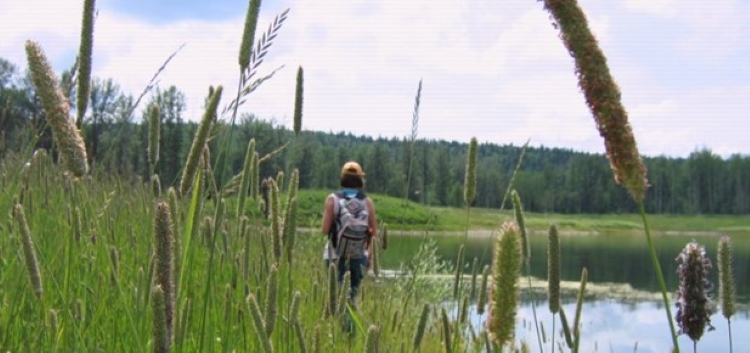
The reclaimed Blue Ridge Recreation Area near Whitecourt was once a gravel pit (Credit: GOA)
Alberta’s government has published new guidelines to help businesses, landowners, Indigenous communities and the public better understand how land is reclaimed, and their role in reclamation.
Alberta is an economic powerhouse with one of the most effective land reclamation systems in the world. This new fact sheet will help reduce confusion and make it easier for industry to keep reclaiming land when work is done, while creating jobs and growing the economy.
“Albertans, First Nations, industry and communities have told us that the reclamation process needs to be clearer and easier to understand. That’s why we’re publishing new direction and clarity for departments and businesses to reduce confusion and help speed up reclamation work. This doesn’t compromise our standards but does recognize that reclaiming land in Alberta isn’t one-size-fits-all, and we are working hard to cut bureaucratic language and time-wasting red tape so industry can do this work safely and quickly for future generations.”
Every year across Alberta, more industrial sites are being transformed into spaces that Albertans can use. Some become forests for hiking, or native grasslands that support grazing and wildlife habitat. Others are repurposed for recreation by creating lakes for swimming, trails for motorbikes or areas for family camping trips.
“Alberta has always been a leader in reclamation practices, both in making sure that proper reclamation happens and in having the flexibility to ensure that reclamation steps involve meeting the needs of local communities and Indigenous Albertans. This clarified guidance will ensure that we can better serve some communities, industry and affected Albertans.”
The new guidelines help make the process clearer for industry, but also for department staff to ensure there is less bureaucratic decision-making, and decisions will instead be made based on facts and science. Government does not restrict land use changes. This is a collaborative process that considers local ideas and needs, as well as Indigenous land uses.
Alberta’s reclamation approach has five key features:
- Clear rules for smaller projects: Alberta has long-standing criteria for reclaiming well sites and has adapted them for other small-scale projects like mineral or steam-assisted gravity drainage (SAGD), exploration drilling sites and access roads, and wind, solar and geothermal developments.
- Custom plans for larger projects: Bigger projects – like mines, large pipelines and quarries – require site-specific plans based on what the land was used for before and what it is expected to be used for in the future.
- Adaptable, science-based methods: Companies can use a range of approaches – new or traditional – to handle soil, clean up contamination, shape the land, replant vegetation and monitor progress, as long as they successfully meet the final goal.
- Landowner and community input: People who live and work on the land can help decide what successful reclamation looks like, including whether to keep certain features like roads.
- Monitoring and certification: A qualified expert must assess the site and confirm it meets the standards before the land can be officially certified as reclaimed.
Every day, reclamation work is cleaning up completed projects and turning them into thriving community and environmental areas. The land does not always need to go back to how it was before industrial activity, but it must serve a similar purpose and be returned to productive use for future generations.
“Cenovus has a reclamation program and strives to efficiently progress our abandoned sites towards reclamation certification. This guidance from the government should help clarify expectations for all stakeholders involved in the reclamation of oil and gas sites.”
For example, working with local communities, former gravel pits were transformed into the Blue Ridge Recreational Area near Whitecourt, while another in southern Alberta has been repurposed for new community development. Near Wainwright, an access road to a former well site will be left in place for local use. In the Peace Country region, several former well sites have been successfully reclaimed as peatland. The thoughtful repurposing of industrial sites and access roads can support Alberta’s efforts to reduce impacts on Treaty rights, harvesting activities, and traditional uses.
“The Government of Alberta’s reclamation framework offers a clear and practical path for responsible land restoration. Its guidance has enabled us to return disturbed lands to equal or better use, while also supporting local jobs and advancing environmental stewardship. We value the province’s continued commitment to deliver collaborative reclamation planning that balances regulatory stability, operational flexibility and environmental outcomes.”
Alberta’s industry and system are making sure the land remains healthy, productive and valuable to Albertans in the long term, meeting standards built on rigorous science and real-world experience.
Quick facts
- The new Reclamation in Alberta fact sheet can be found here.
- The fact sheet clarifies Alberta’s current rules and process. No new changes to existing environmental regulations or policies have been made through this document.
- In 1963, Alberta became the first province in Canada to legislate land reclamation.
- The Environmental Protection and Enhancement Act (EPEA) does not restrict land-use changes but ensures responsible land management and recovery across Alberta.
- A site is not considered fully reclaimed under EPEA until it receives a reclamation certificate from the appropriate regulator.
- Reclaimed sites have become forests, agricultural land, wildlife habitat and recreational areas.