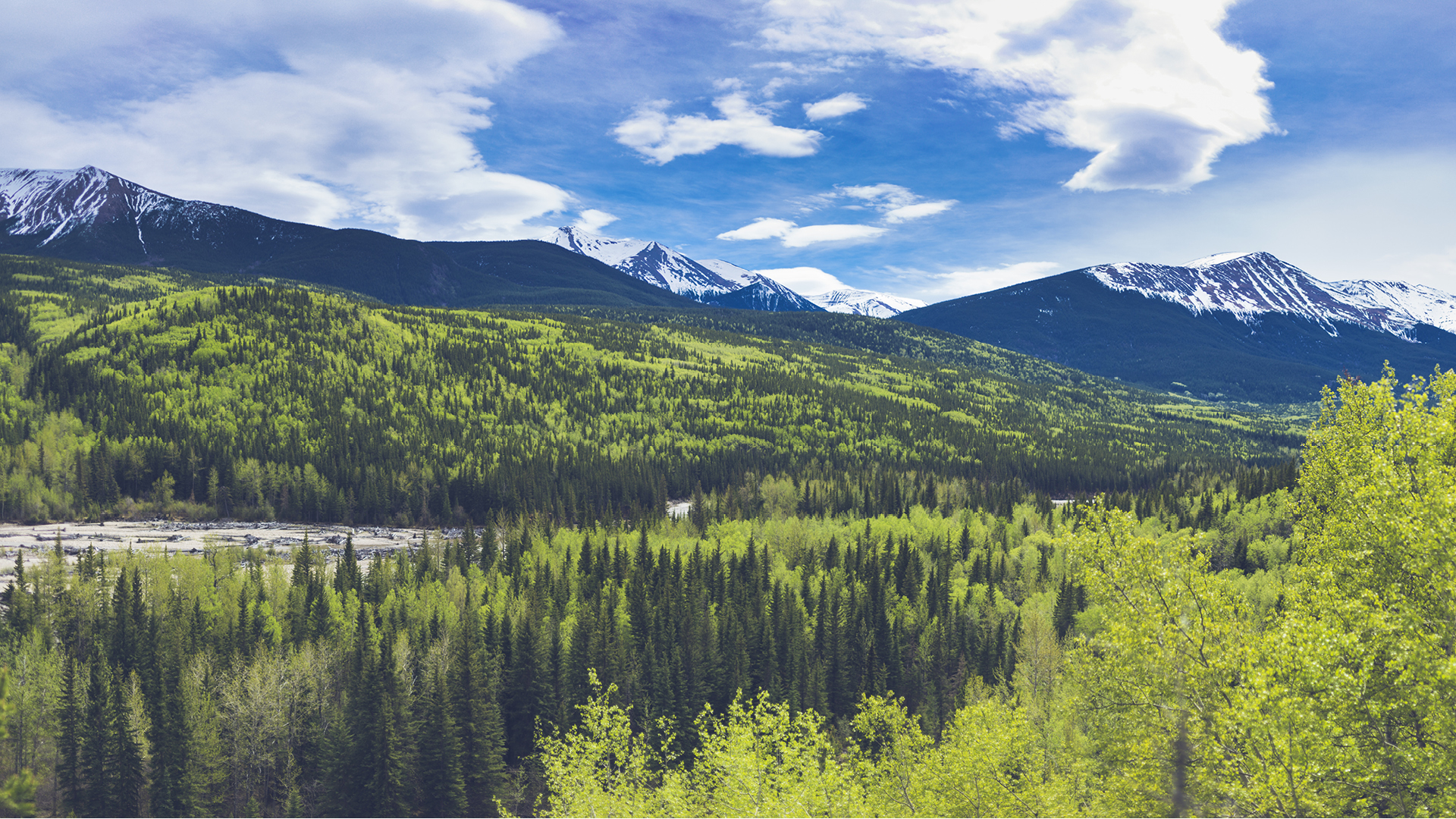
Sulphur Gates Provincial Recreation Area near Grande Cache
Alberta’s government has released the new Upper Smoky Sub-Regional Plan to guide conservation and economic activity across 13,000 square kilometres in west-central Alberta. This common-sense plan will protect local jobs in the energy, forestry and tourism sectors while increasing wildfire protection and responsibly managing the environment.
“This plan protects the environment while also protecting jobs. It adds new conservation areas and increases caribou habitat restoration while also helping meet our goal of doubling Alberta’s oil and gas production. This is a practical framework to protect communities from wildfire, restore key caribou habitats and maintain jobs in the Grande Cache area.”
From rolling hills and mountain ranges to vast forests and extensive wetlands, the Upper Smoky area is rich in natural resources, home to diverse species, supports roughly 85,000 jobs and contributes approximately $21.2 billion to Alberta’s GDP.
“This plan protects habitats, keeps people safe, and secures good-paying jobs across Alberta’s forestry sector. It considers the effects of wildfire on critical habitat for endangered species like caribou. Utilizing the forestry industry and their expertise to accomplish these goals provides benefits to communities and our public lands”
For the first time in Alberta, the Upper Smoky Sub-Regional Plan uses three clear zones to guide what development is permitted:
- “Nature First” zone: 3,200 km2, including parks and protected areas, where virtually all industrial development is currently prohibited. These areas focus on conservation, habitat restoration, outdoor recreation and traditional land use.
- “Slow Go” zone: 5,113 km2 where some resource development is allowed with restrictions to manage the footprint and reduce the environmental impact. This will include a new Public Land Use Zone near Grande Cache to help support sustainable recreation and tourism opportunities.
- “Go” zone: 4,928 km2 where a full range of development opportunities, including recreation and grazing, are allowed.
Alberta Forestry and Parks will have completed a wildfire mitigation plan for the area within 60 days of implementation, protecting local communities and critical wildlife habitats from the threat of wildfire.
The plan will expand conservation efforts increasing the total area of parks and protected areas in the sub-region to nearly 3,200 square kilometres through two proposed conservation areas, almost four times the size of Calgary.
The plan sets Alberta’s first restoration targets for legacy seismic lines and inactive well sites in caribou habitat, backed by new reporting requirements. After restoring only 87 kilometres of seismic lines between 2015 and 2019, Alberta has now restored 4,559 kilometres in just the last five years. The Upper Smoky region will now be part of this accelerated progress.
Once the Upper Smoky Sub-regional Plan and regulatory details come into effect on January 1, 2026, Alberta will establish an implementation committee to ensure local perspectives – including Indigenous communities, municipalities and industry – continue to shape how the plan is put into action.
Quick facts
- Highlights from the new sub-regional plan include:
- A new zone approach for managing sustainable economic activity.
- Regional planning to reduce the risk of large-scale wildfires.
- Two new conservation areas and expanded conservation measures.
- New mandatory targets for restoring caribou habitat.
- The Upper Smoky sub-region is located south of Grande Prairie and encompasses Grande Cache, Kakwa Wildland Park and about half of Willmore Wilderness Park.
- It is adjacent to Jasper National Park and covers 13,216 square kilometres.
- The plan and associated regulatory details provide direction for forestry, grazing, recreation, energy development, tourism and many other activities.
- This is the third sub-regional plan completed since 2022, as a part of Alberta’s accelerated approach to land-use planning and is enabled through the Alberta Land Stewardship Act.
- Public engagement was conducted from March to June and feedback from local residents and municipalities, Indigenous communities, industry and many other Albertans was incorporated into the final plan.
- There are no changes for hunting, fishing, outfitting and trapping proposed under this plan.